The History of Afternoon Tea: Where did It really come from?
The History of Afternoon Tea: Where did It really come from?
Around 1840, Anna Maria Russell, the 7th Duchess of Bedford, started getting what she called a "sinking feeling" every afternoon. Fashionable dinner had crept later and later, sometimes as late as 9pm, once gas lighting made evening entertaining easier, which left a long, hungry gap after a light midday lunch. So, she asked for tea, bread and butter, and cake to be brought to her room. In fact, she liked it so much she started inviting friends round for it, and before long, the whole of fashionable society was doing the same thing. It’s a lovely story but probably not historically correct.
So where did the Afternoon Tea originate from?
Historian Steven Moore has picked this story apart, and once you look at the details, it doesn't hold together that well. Anna Russell was dismissed from royal service in 1841, right in the middle of a scandal, which would have made it difficult for her to be setting fashions across society at exactly the moment she's meant to have started one. Queen Victoria's own diary, written in 1845 on a trip to Prussia, mentions having "tea, quite in the German way", with no mention of "the Bedford way" at all, which you'd expect if the Duchess had already made the whole thing famous. And English spa towns like Bath and Harrogate were already serving something called "afternoon tea" back in the 1750s and 60s, decades before she's supposed to have thought of it.
The honest answer is, nobody really knows who started it. It was probably a slow, messy thing that happened in a few places at once, as dinner kept getting pushed later across fashionable Victorian life and someone, somewhere, needed a snack to keep them going!
And before any of that, there was just tea
None of this could have happened without tea already being a normal part of English life. It arrived in the 1660s, made fashionable at court by King Charles II's Portuguese wife, Catherine of Braganza, who'd grown up drinking it back home. By the time afternoon tea rolled around two hundred years later, tea itself was old news, at least if you could afford it.
The difference between Afternoon Tea and High Tea
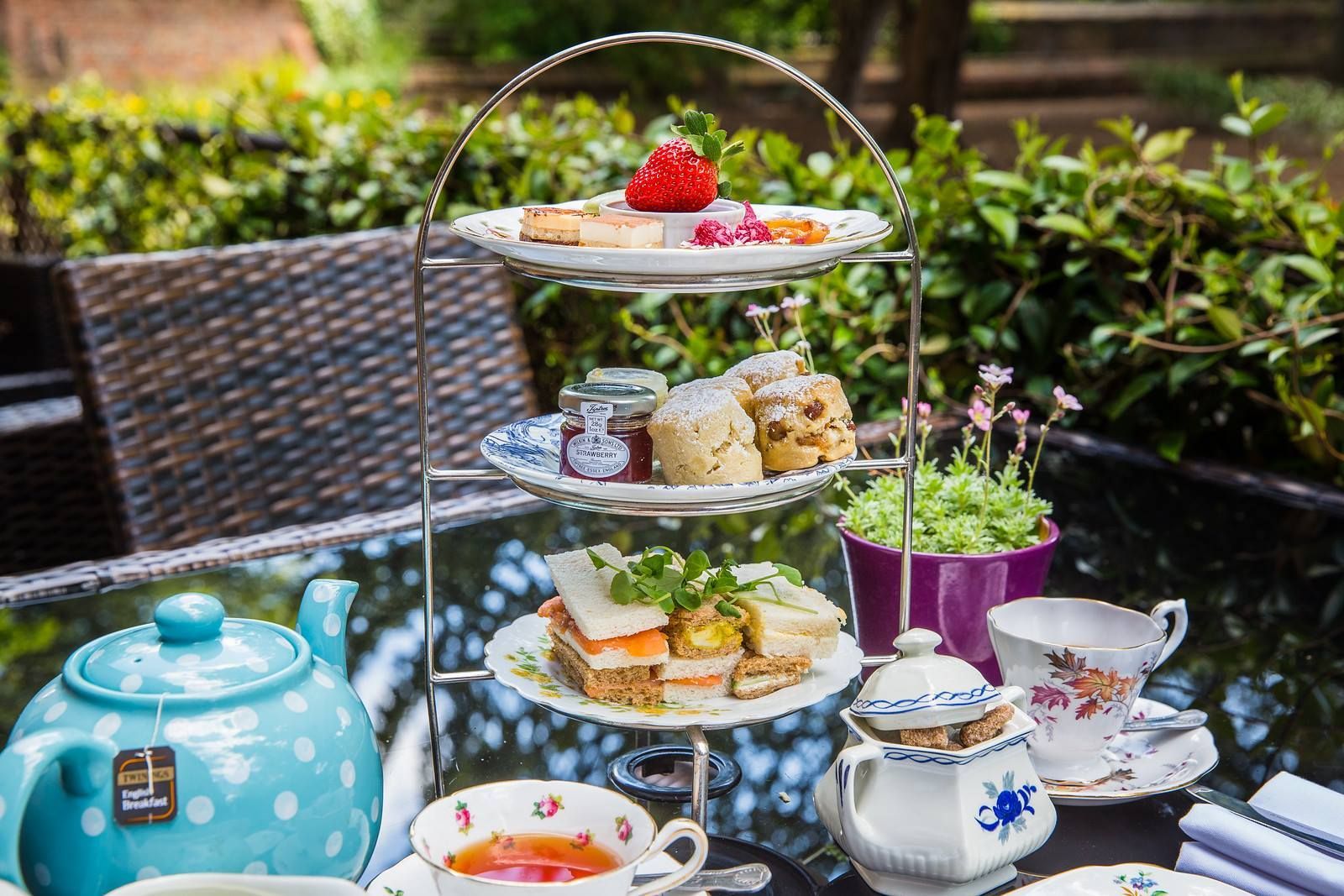
People mix these up constantly, and to be fair, so did the Victorians. Roughly speaking, Afternoon tea, is the elegant one; sandwiches, scones, cake, fine China and taken around 4pm; traditionally for people who had the time to sit down mid-afternoon. High tea is the heartier one, a proper meal, served later in the day and the name actually just refers to the height of the table, being served at a high dining table, rather than a low sitting room one (and not a reference to how posh the guests were, though the two did tend to go together in practice).
A Victorian Afternoon Tea – Why it was so important
For Victorian women, afternoon tea became a rare bit of social freedom. It gave mixed company a chance to sit together informally, without all the usual chaperoning, and a space to talk and swap ideas. The ritual, the China and the timing, it all gave shape to something genuinely useful, wrapped up as a cup of tea and a slice of cake.
Where can I get an authentic Afternoon Tea in London
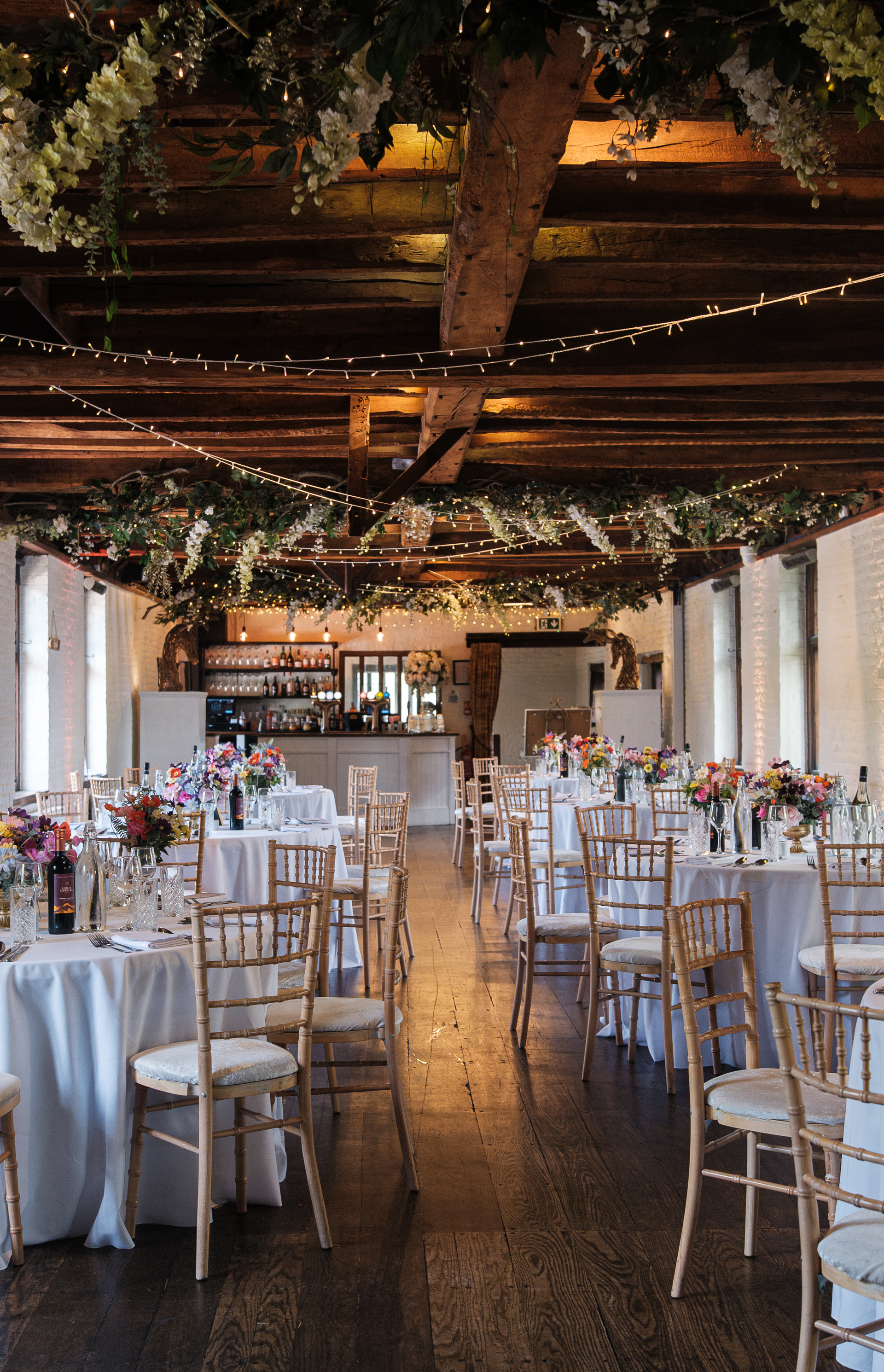
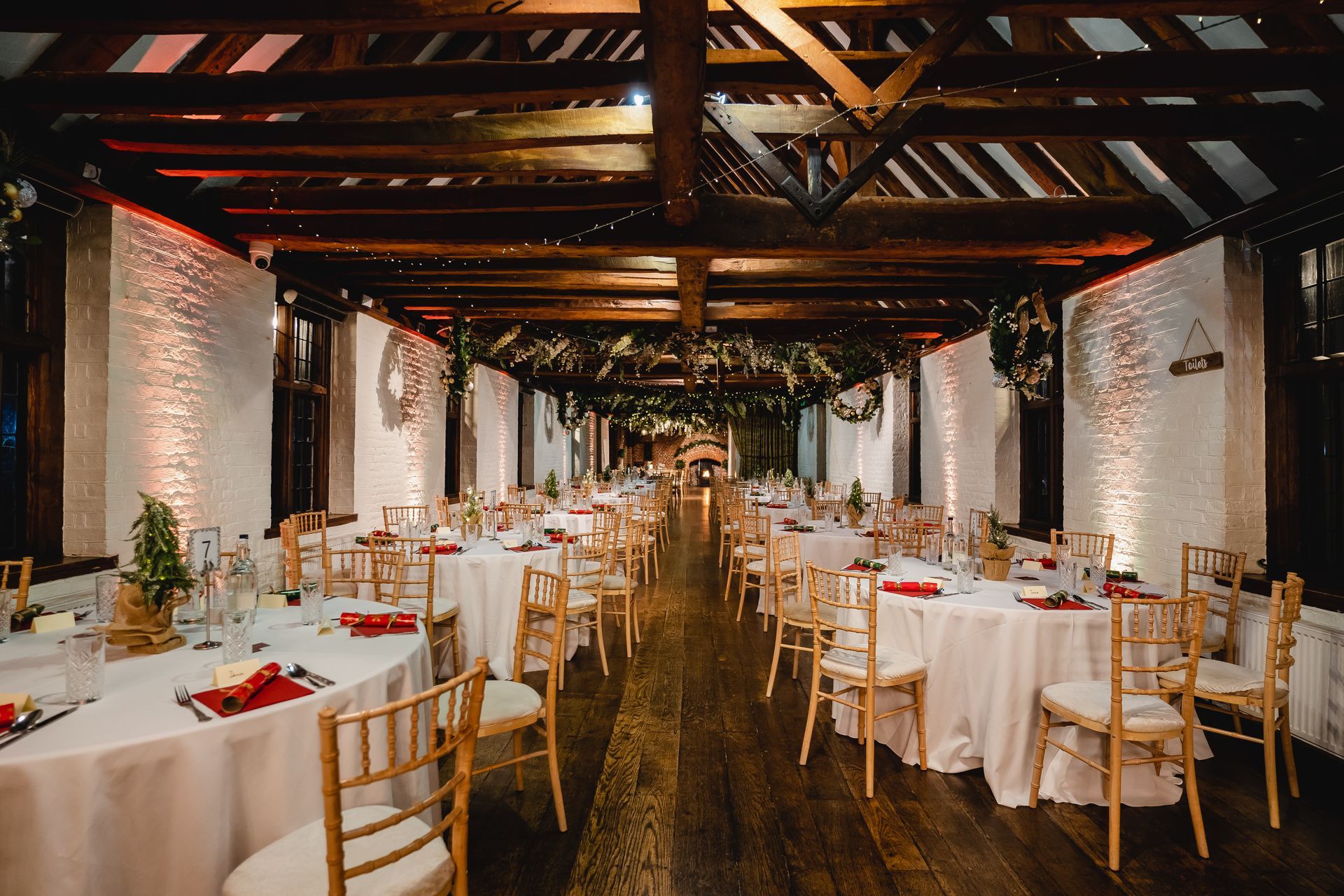
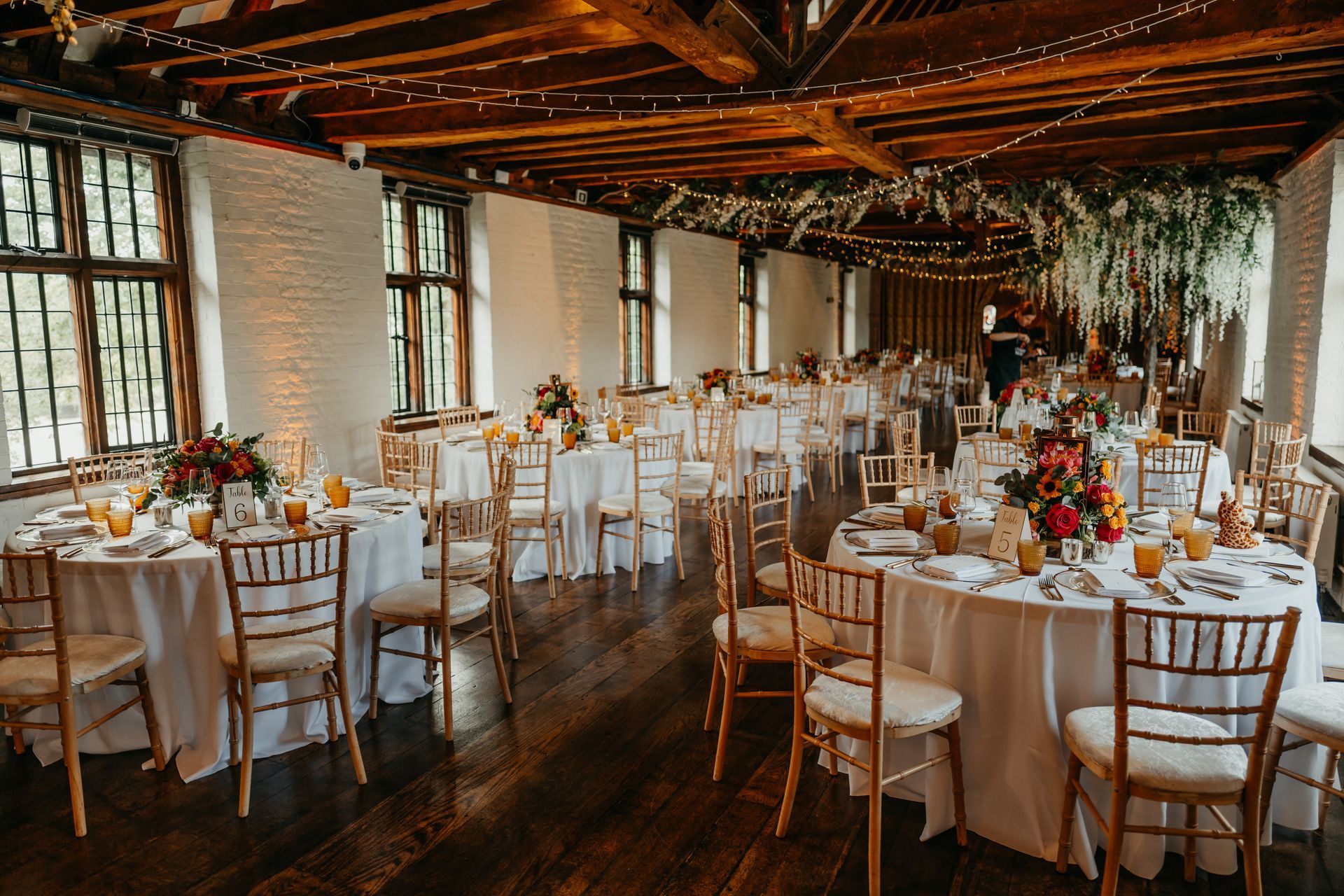
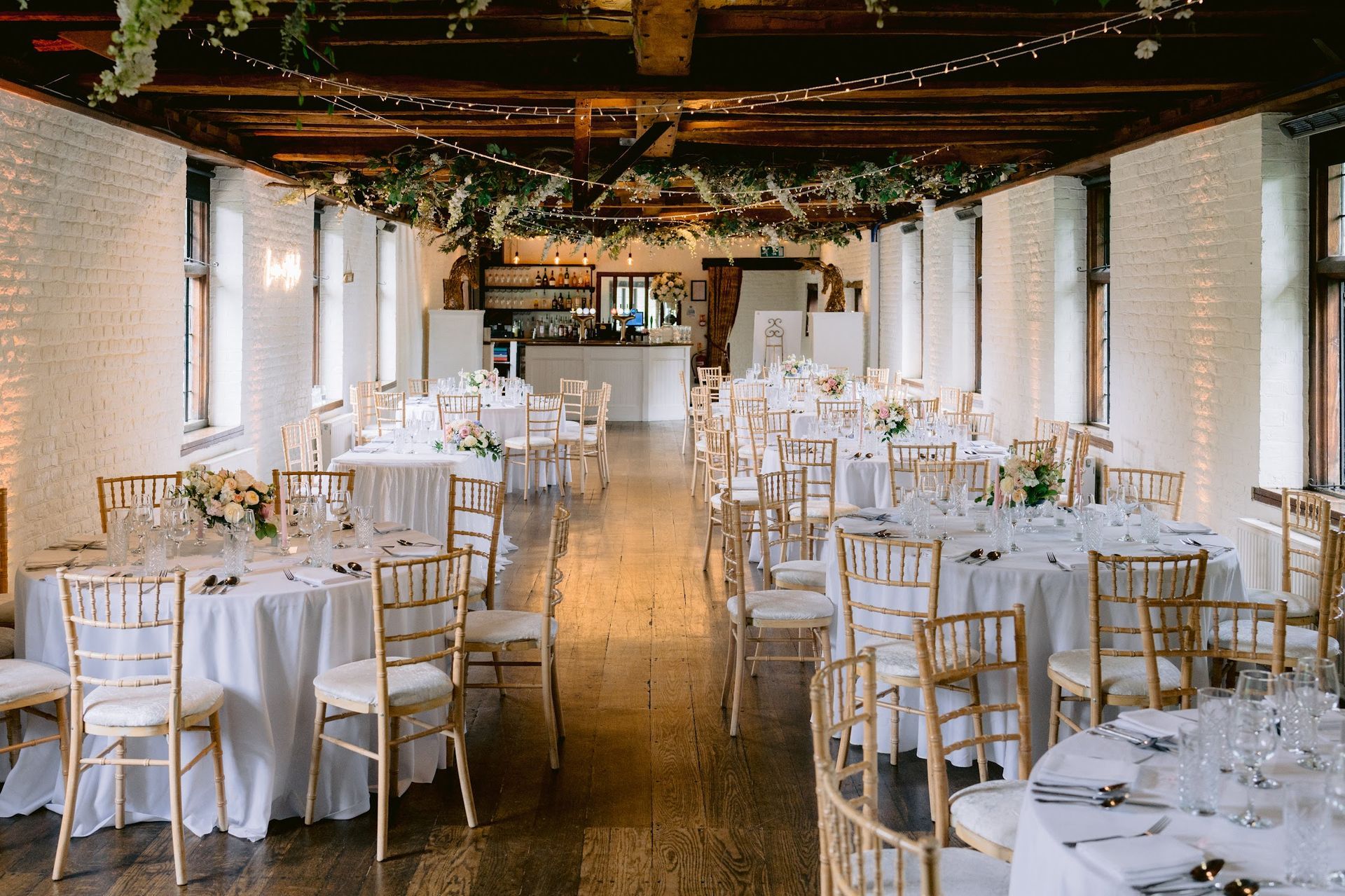
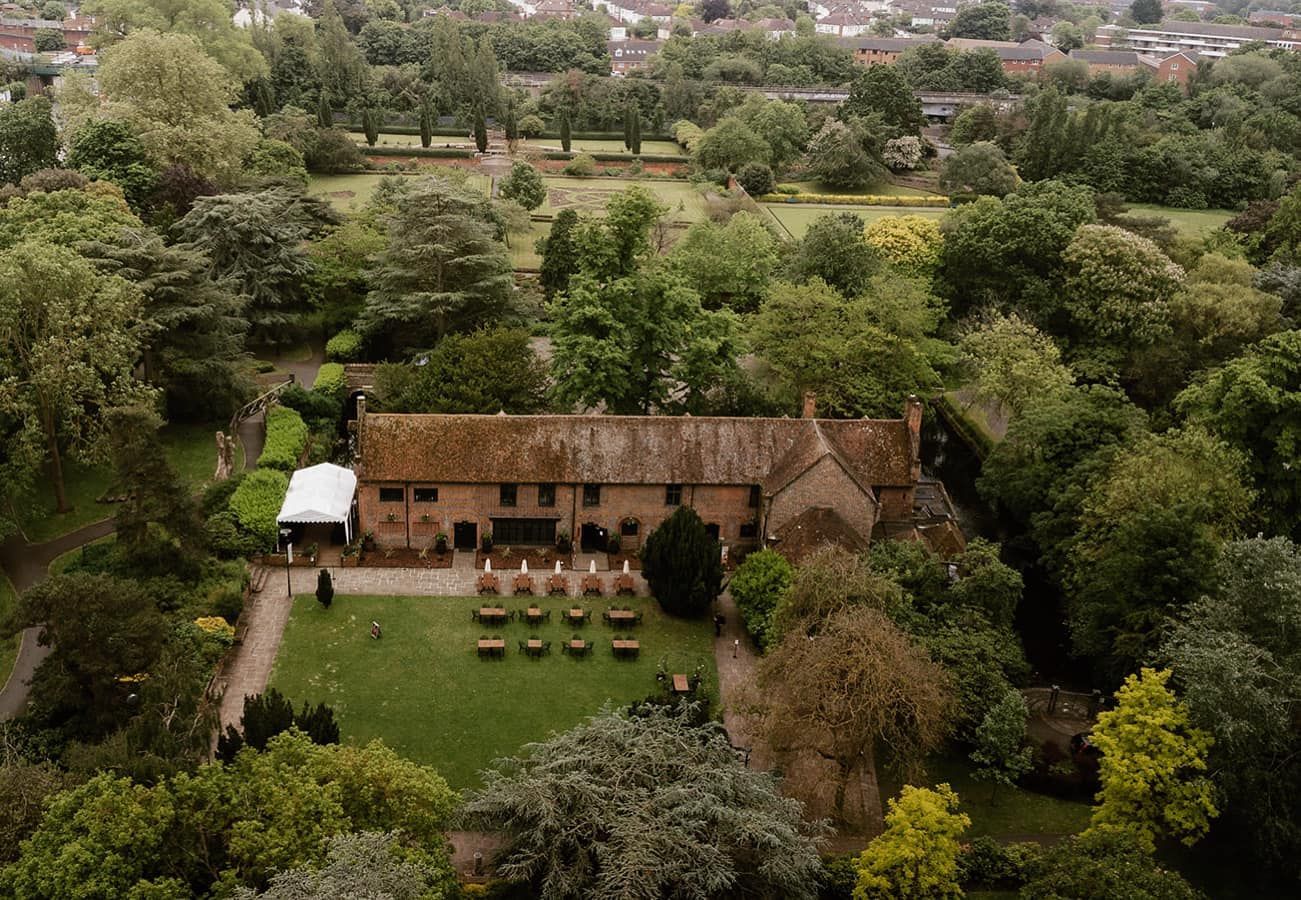
At Tudor Barn Eltham! We serve ours Wednesday to Saturday from midday until 5.00pm on a lovely vintage China, in the beautiful surrounds of Well Hall Pleasaunce. From only £18.95 per person, it's a lovely excuse for a birthday, a baby shower, or just an afternoon off Book an Afternoon Tea