How the Tudors Celebrated Christmas, and Where You Can Still Feel It in South East London
How the Tudors Celebrated Christmas, and Where You Can Still Feel It in South East London
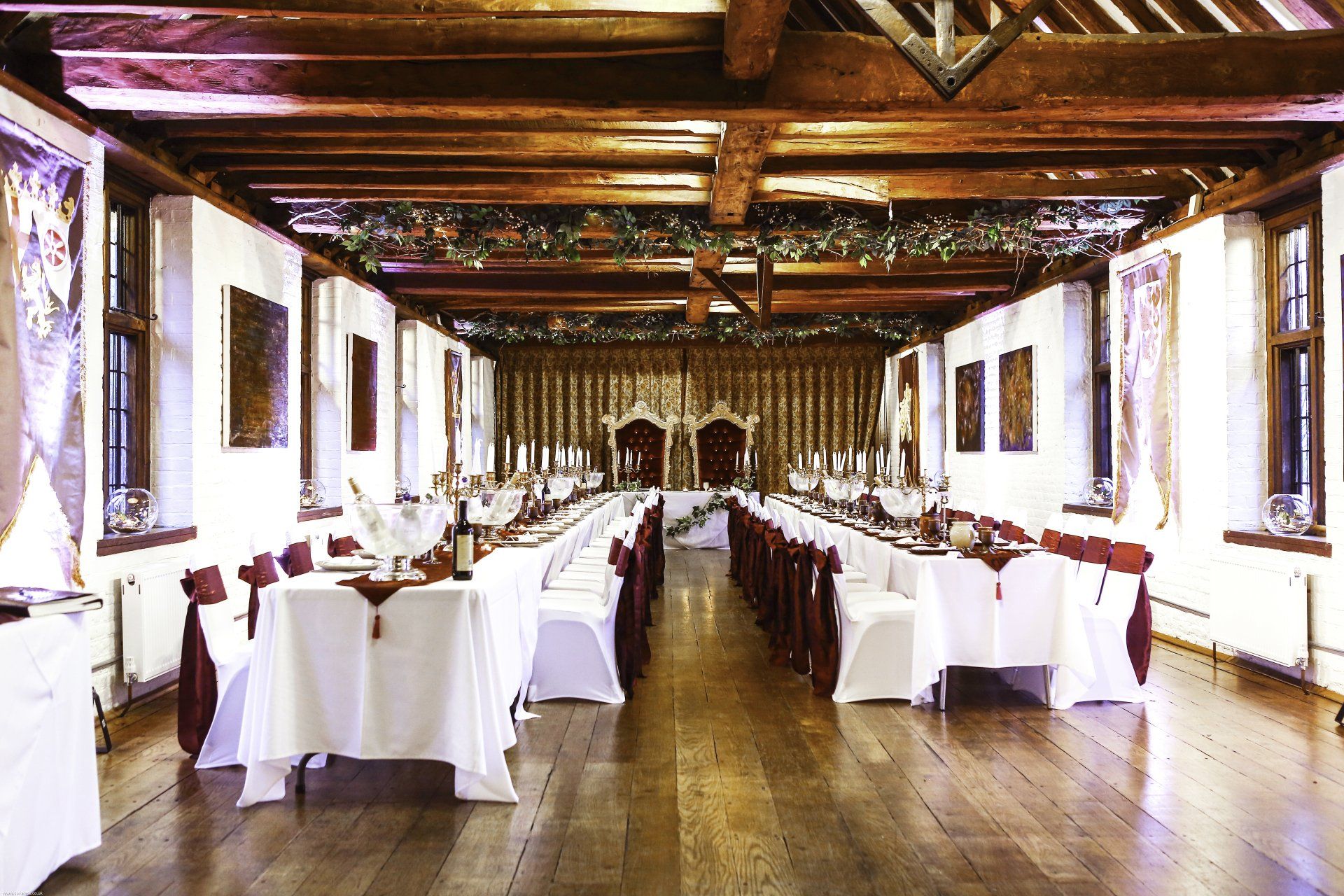
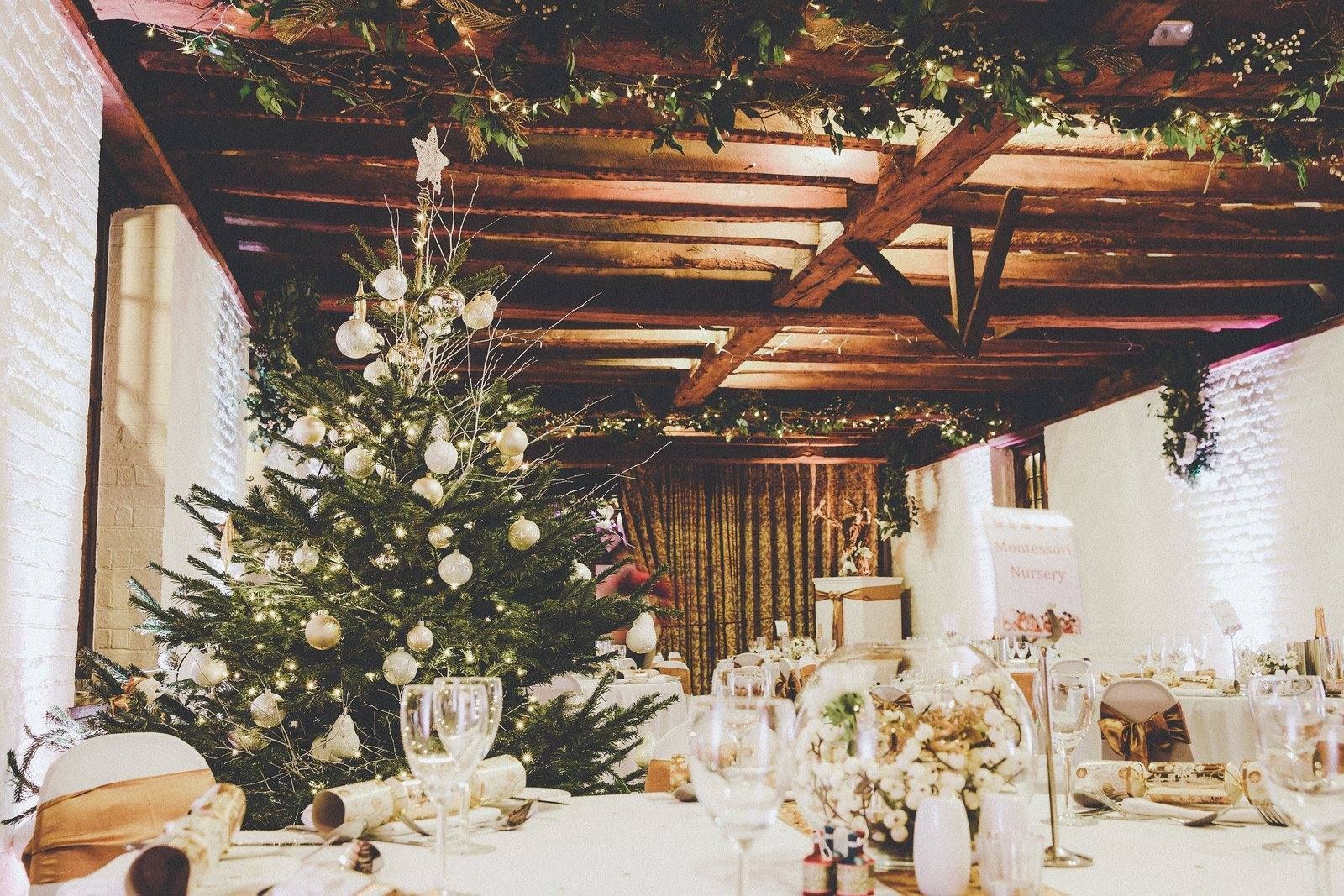
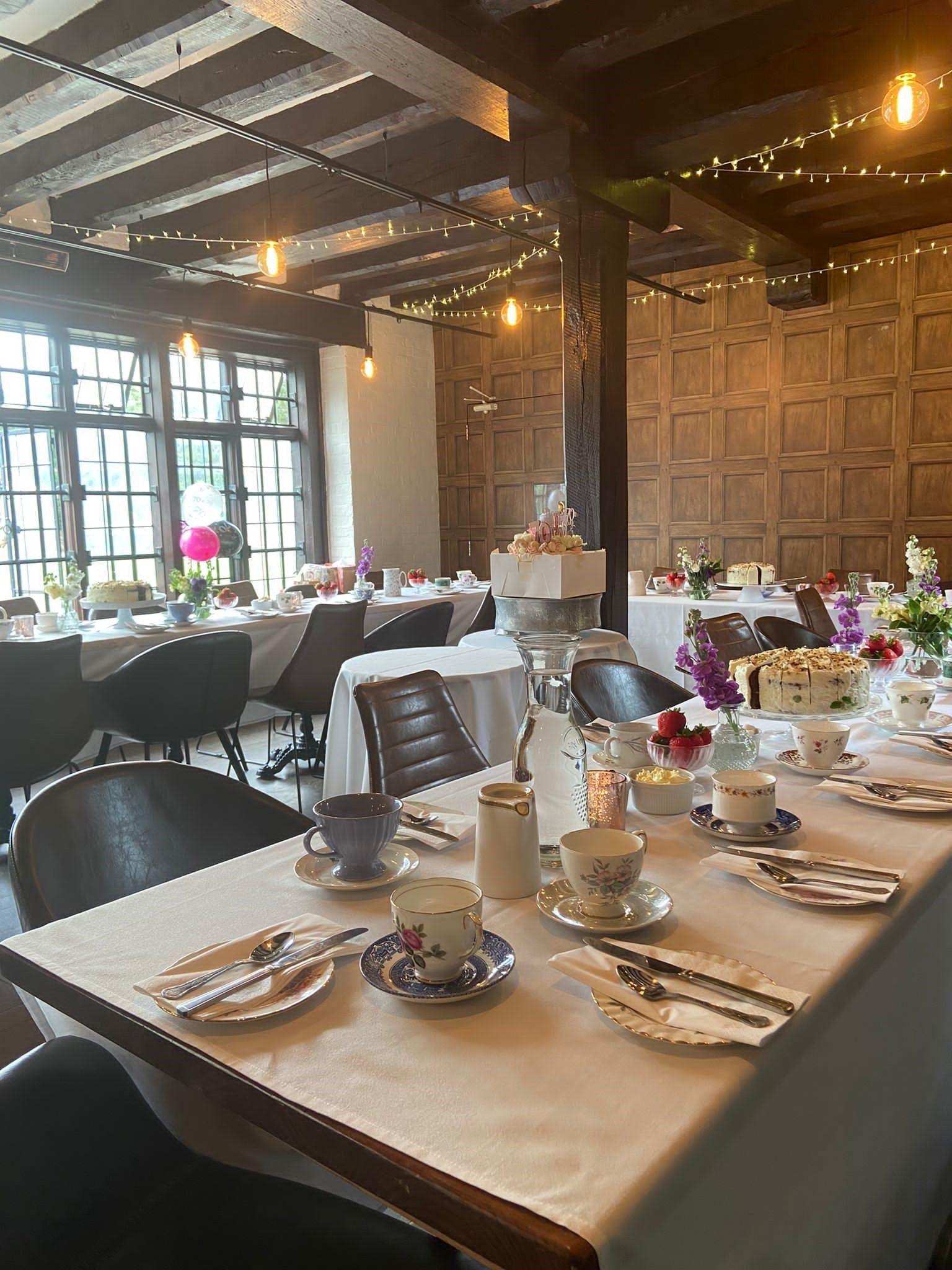
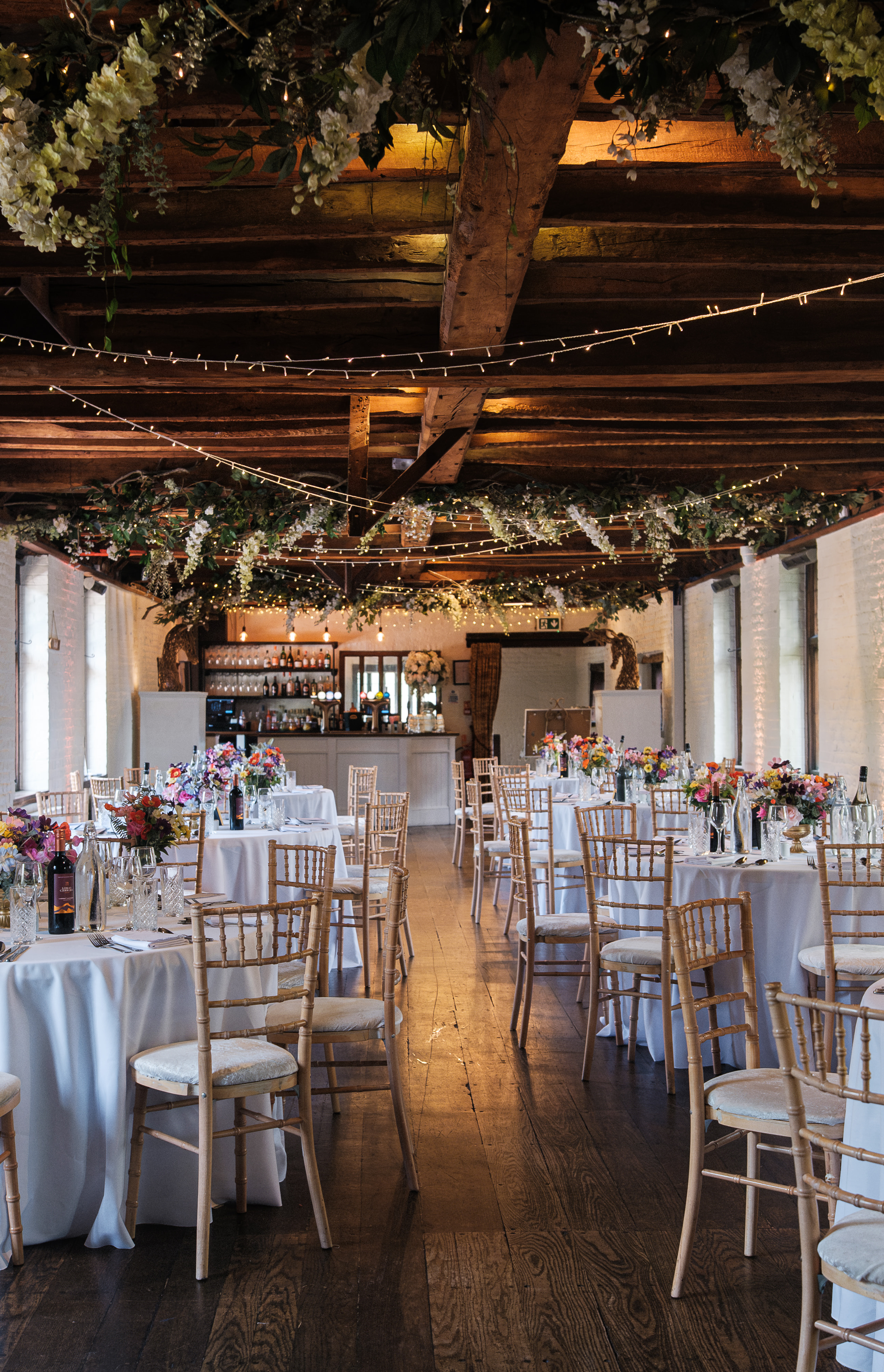
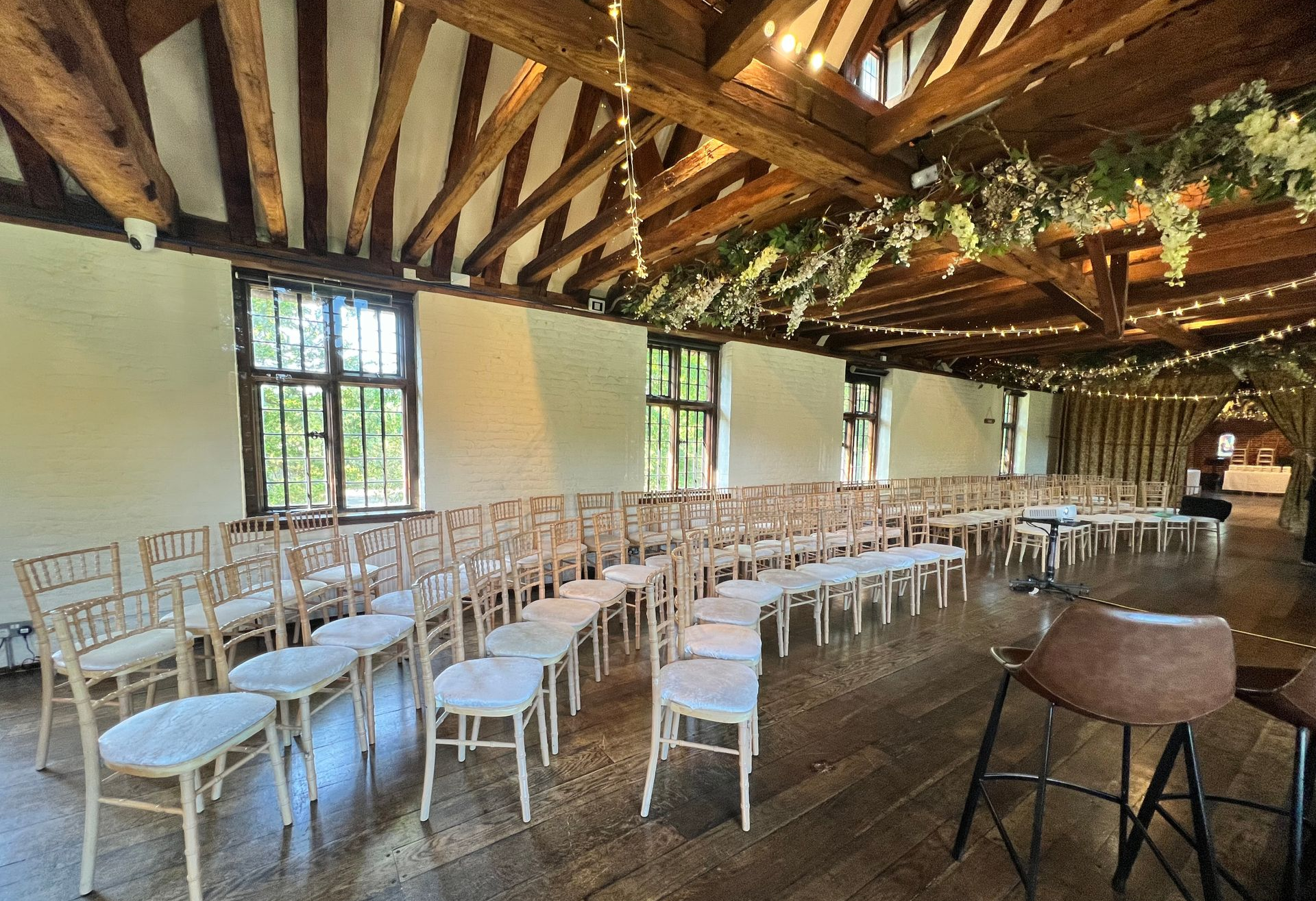
When you run a building that was built in 1525, you find yourself wondering what Christmas looked like in the Tudor period. Tudor Barn Eltham was built by William Roper, whose family lived in a manor house on the island in the middle of the moat , so the people who first used it would have known a Tudor Christmas very well indeed. As it turns out, a fair amount of what we still do in December goes back to them, and some of it would surprise you.
Christmas lasted twelve days, not one
For the Tudors, Christmas Day was the start of the celebrations rather than just one day. According to Historic Royal Palaces, the Tudors celebrated all twelve days of the festive season with almost as much enthusiasm as Christmas Day, celebrating right through to Epiphany on 6 January, and for ordinary people it was one of the few times in the year when they had a proper break from work.
It also came at the end of a hungry few weeks. The Church encouraged people to fast through Advent, this meant no meat, cheese or eggs until Christmas Eve, so by the time the feasting started everyone was more than ready for it. At court, a great yule log was lit on Christmas Eve to start it all off.
A boar's head, a goose and a mince pie with meat in it
Christmas dinner at court would often start with plum porridge or frumenty, and the centrepiece was a boar's head, carried in with an apple in its mouth. Goose was the bird most people ate at Christmas, and turkey only arrived later in the Tudor period, although Henry VIII is often given the credit for making it popular.
The one that surprises most people is the mince pie. A Tudor mince pie was savoury, made with shredded meat along with the fruit and spices, and it took a long time for the meat to disappear from the recipe and leave us with the sweet version we buy now. There were also jellies set in the shape of castles and animals, and sugar sculptures called subtleties, which were made to be shown off as much as to be eaten.
A Lord of Misrule and presents at New Year
At Henry VIII's court, the revelry was not run by the King at all. A Lord of Misrule was put in charge of the games, plays, music and masques for each of the twelve days, and in Henry's first year as king, the man given the job asked him for £5 towards his expenses.
Presents were not opened on Christmas Day either. Gifts were exchanged on New Year's Day, and at court it was a formal and rather competitive affair. Cardinal Wolsey once gave Henry a gold cup worth £100, and on New Year's Day 1539 Henry was given Holbein's portrait of his baby son Edward, which is said to have been the gift he treasured most.
Henry VIII's Christmases on our doorstep
What I love about this part of London is how close all of this happened to us. Henry VIII was born at Greenwich Palace and usually kept Christmas there, with more than a thousand courtiers coming to eat, drink and celebrate. The palace has long gone, but the Old Royal Naval College now stands on the same stretch of the river.
Eltham Palace is only a short distance from the barn, and Henry spent a lot of his childhood there. In the mid-1520s, when plague was in London, he spent Christmas at Eltham with very few people around him, and because it was so quiet compared with the usual celebrations at Greenwich, it became known as the still Christmas. It was at Eltham in January 1526 that Cardinal Wolsey drew up the Eltham Ordinances, his plan for reorganising the royal household, so the King and his court were here in Eltham at almost exactly the time Tudor Barn Eltham was being built.
Where you can still feel it today
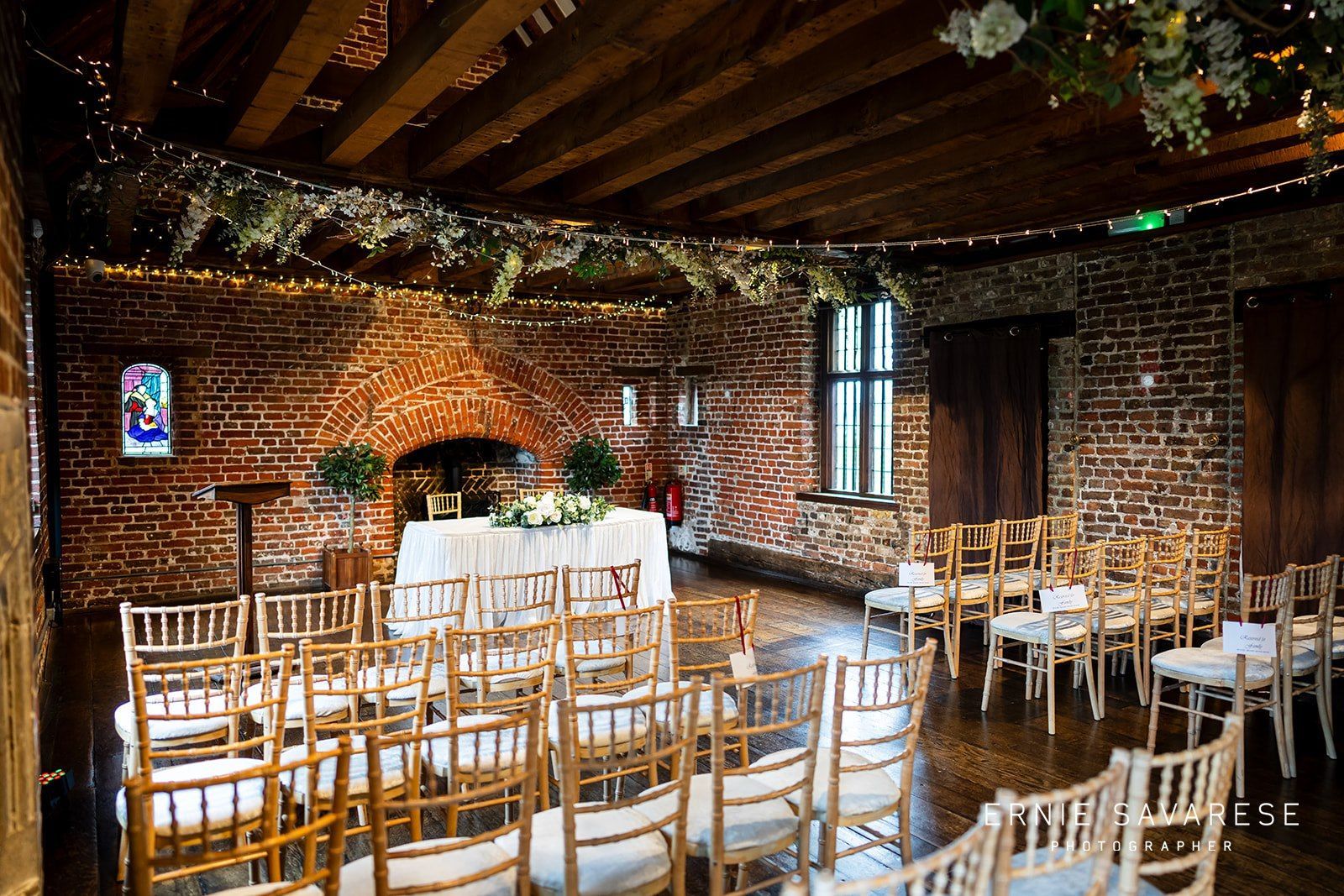
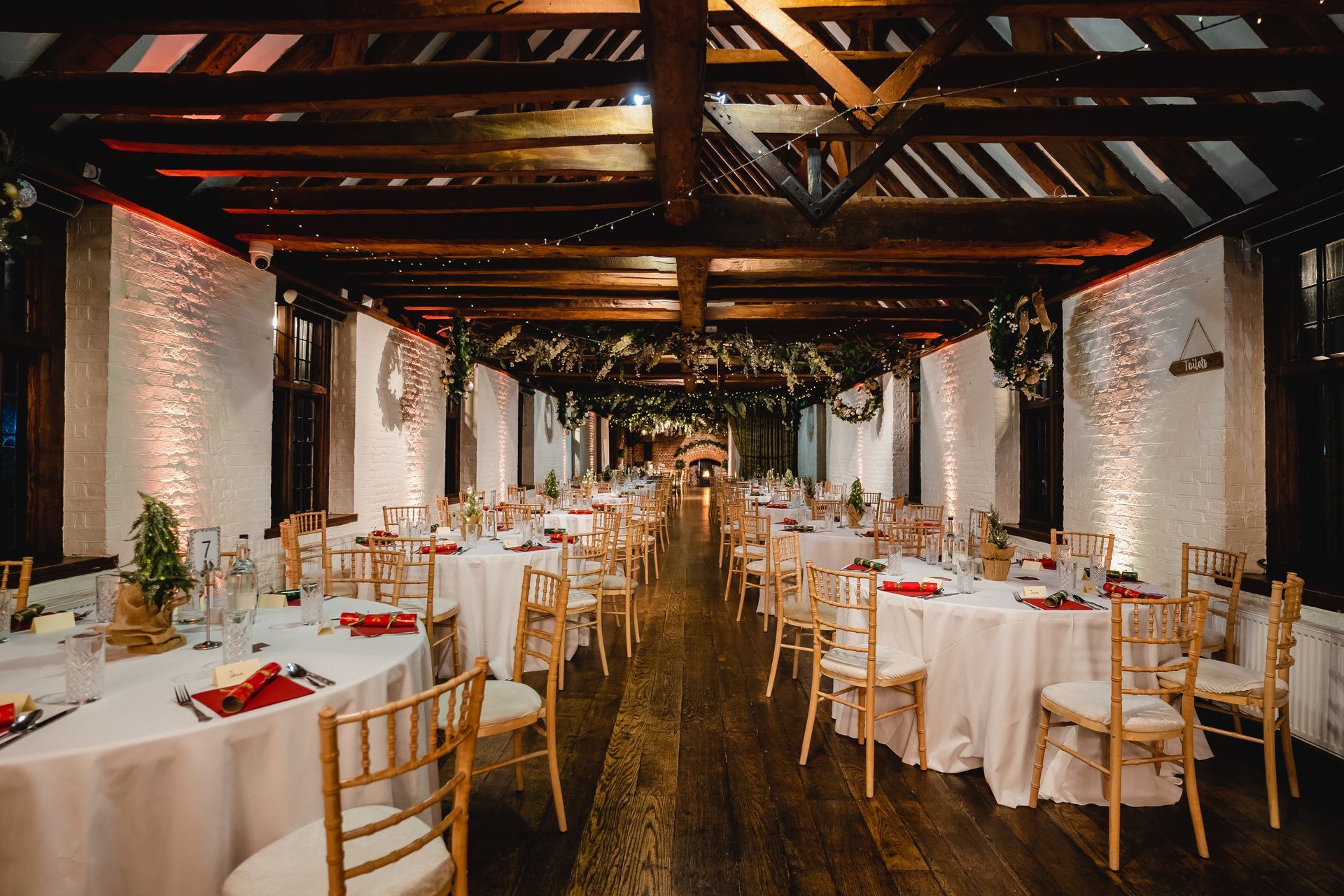
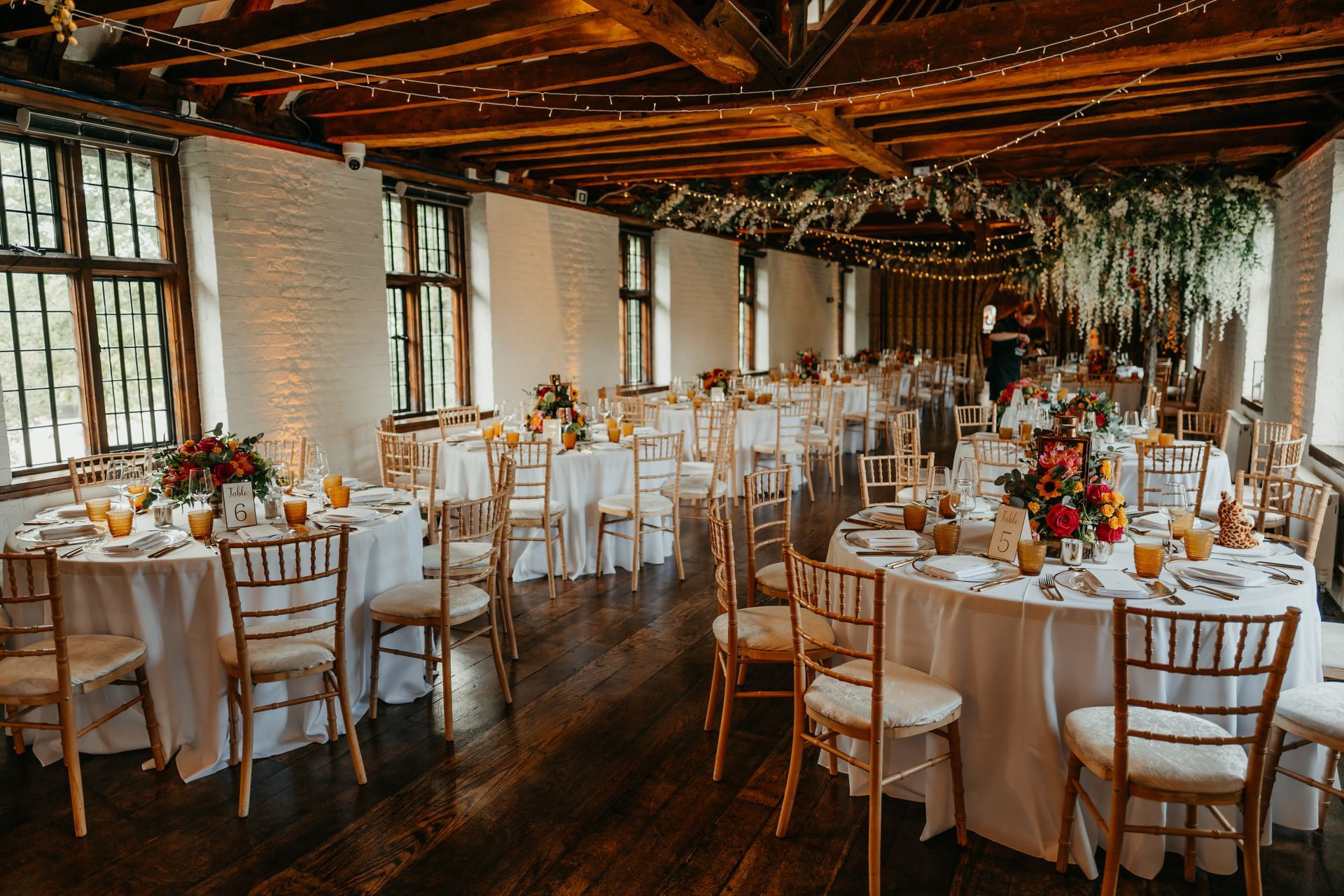
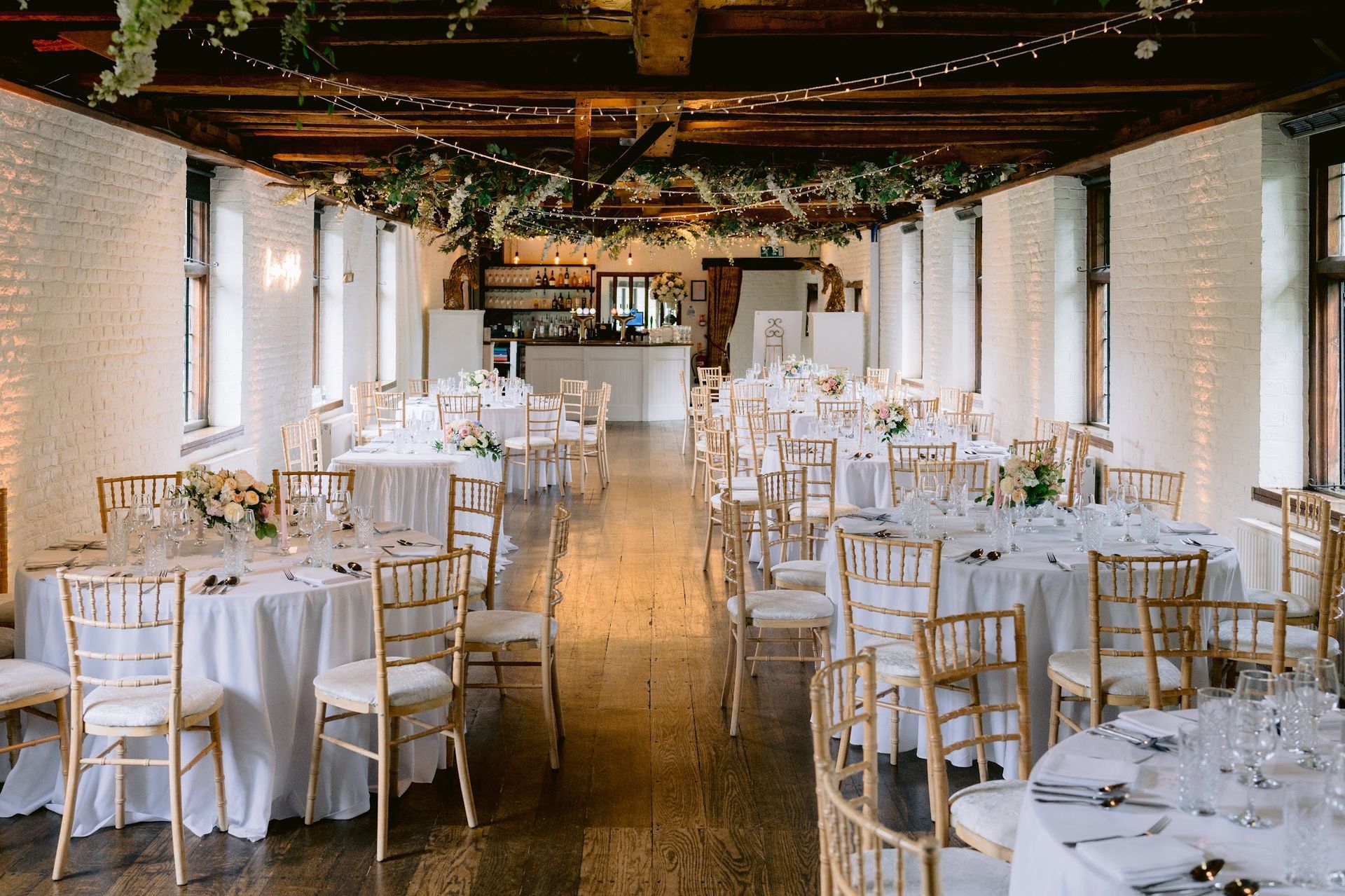
Tudor Barn Eltham has a direct link to that court as well. William Roper married Margaret More, the daughter of Sir Thomas More, who served Henry VIII and later became his Lord Chancellor, and Margaret is believed to have lived here at Well Hall. Roper's initials are still in the brickwork on the east side of the building, and the stained glass windows at the upper west end show the More family as Holbein painted them.
The moat that surrounded the Ropers' house is still here too. It is my favourite part of the grounds, and on a cold, still December afternoon, with the ducks on the water and the lights on inside the barn, it is not hard to imagine what this spot was like five hundred years ago.
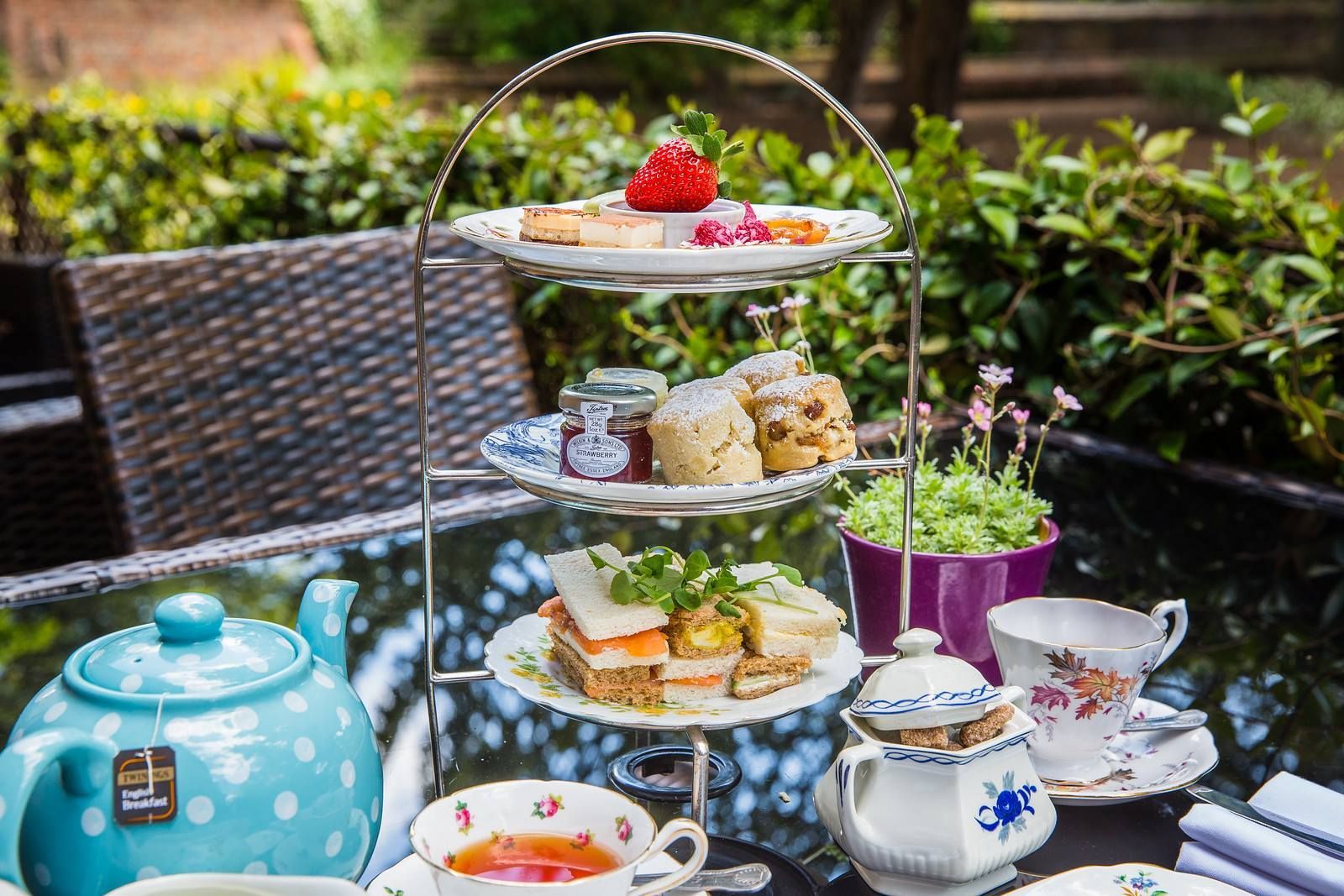
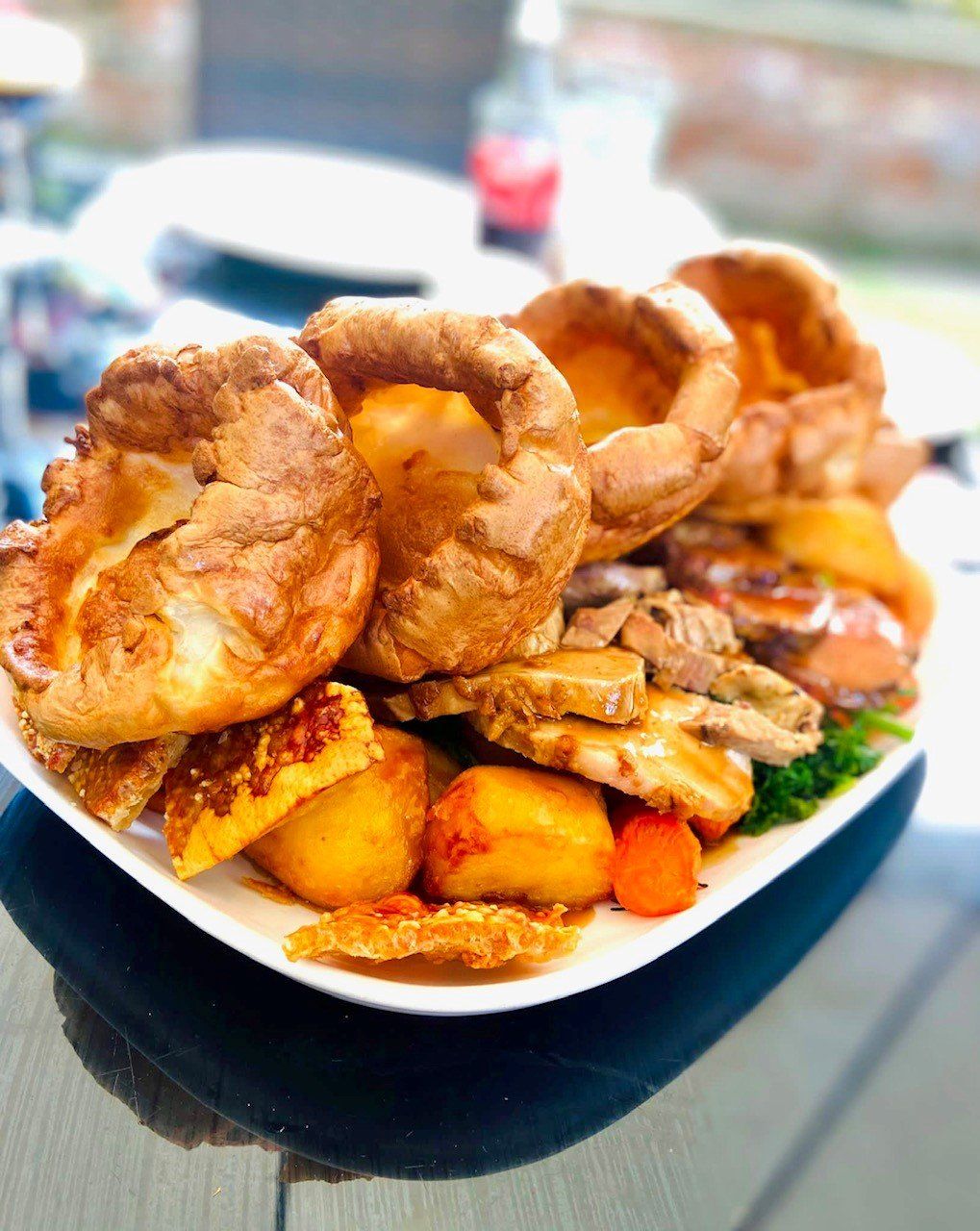
If you want to make a day of it, you could walk round Eltham Palace or Greenwich and then come back to Well Hall Pleasaunce as it starts to get dark. We are not going to serve you a boar's head, and our mince pies have no meat in them, but our festive menu does keep some of the old traditions going. There is turkey with honey mustard glazed gammon and pigs in blankets, a roast porchetta for anyone who wants pork, Christmas pudding with brandy cream to finish, and mulled wine at £6.50 a glass or two for £10.00.
The festive menu runs from Wednesday 25 November to Christmas Eve, every Wednesday to Saturday at lunch and dinner, and it is £29.95 for two courses or £37.95 for three. You can download the full menu from our festive menu page, and if you are planning a meal with family or friends, my blog on planning a Christmas meal in Eltham has everything you need to know about booking a table.
Frequently asked questions
How long did a Tudor Christmas last?
Twelve days, from Christmas Day through to Epiphany on 6 January, after weeks of fasting during Advent.
Did the Tudors eat turkey at Christmas?
Goose was the usual Christmas bird. Turkey arrived later in the Tudor period, and Henry VIII is often credited with making it popular.
What was in a Tudor mince pie?
Shredded meat, along with fruit and spices, so it was a savoury pie rather than the sweet one we eat now.
Where did Henry VIII spend Christmas?
Usually at Greenwich Palace, where he was born. In the mid 1520s, during an outbreak of plague, he spent a quiet Christmas at Eltham Palace that became known as the still Christmas.
How old is Tudor Barn Eltham?
Tudor Barn Eltham was built around 1525 by William Roper, who married Margaret More, the daughter of Sir Thomas More. It is the only surviving Tudor Barn in London and is Grade II* listed.
To book a table for the festive menu, visit our book a table page, call us on 0800 433 2351 or email restaurant@tudorbarneltham.co.uk. I hope to see you here this Christmas.